

About the project
A landscape-scale plan for healthier forests
The Eastern Sierra Climate and Communities Resilience Project (ESCCRP) takes a comprehensive view of forest management across a 65,000-acre landscape around Mammoth Lakes. Rather than treating small, disconnected parcels, it addresses the landscape as a whole, reducing the overabundance of fuels that drives severe wildfire.
The goal: healthier forests, safer communities, and ecosystems that can withstand fire, drought and a changing climate. Learn why our forests need help.
Explore the project
Dig deeper
Project progress
Acres treated, before-and-after photos, video updates and what’s next.
See progress →
Why it’s needed
Maps of forest density, missed fire cycles and tree size across the landscape.
Explore the maps →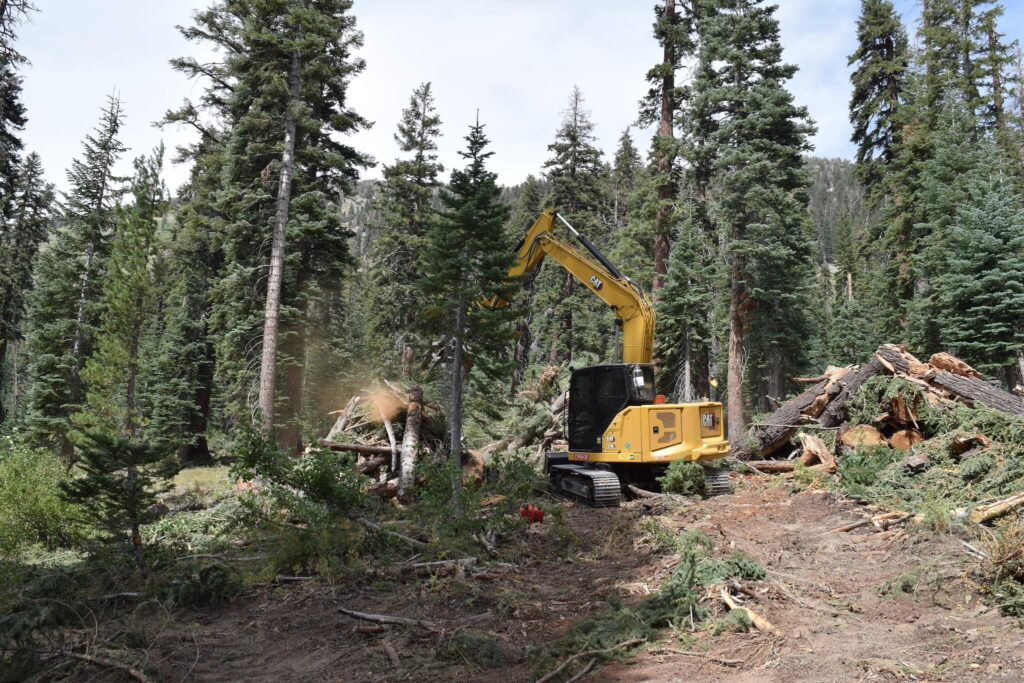
Project activities
Thinning, restoration, prescribed fire and the other tools used on the ground.
See the activities →
Photos
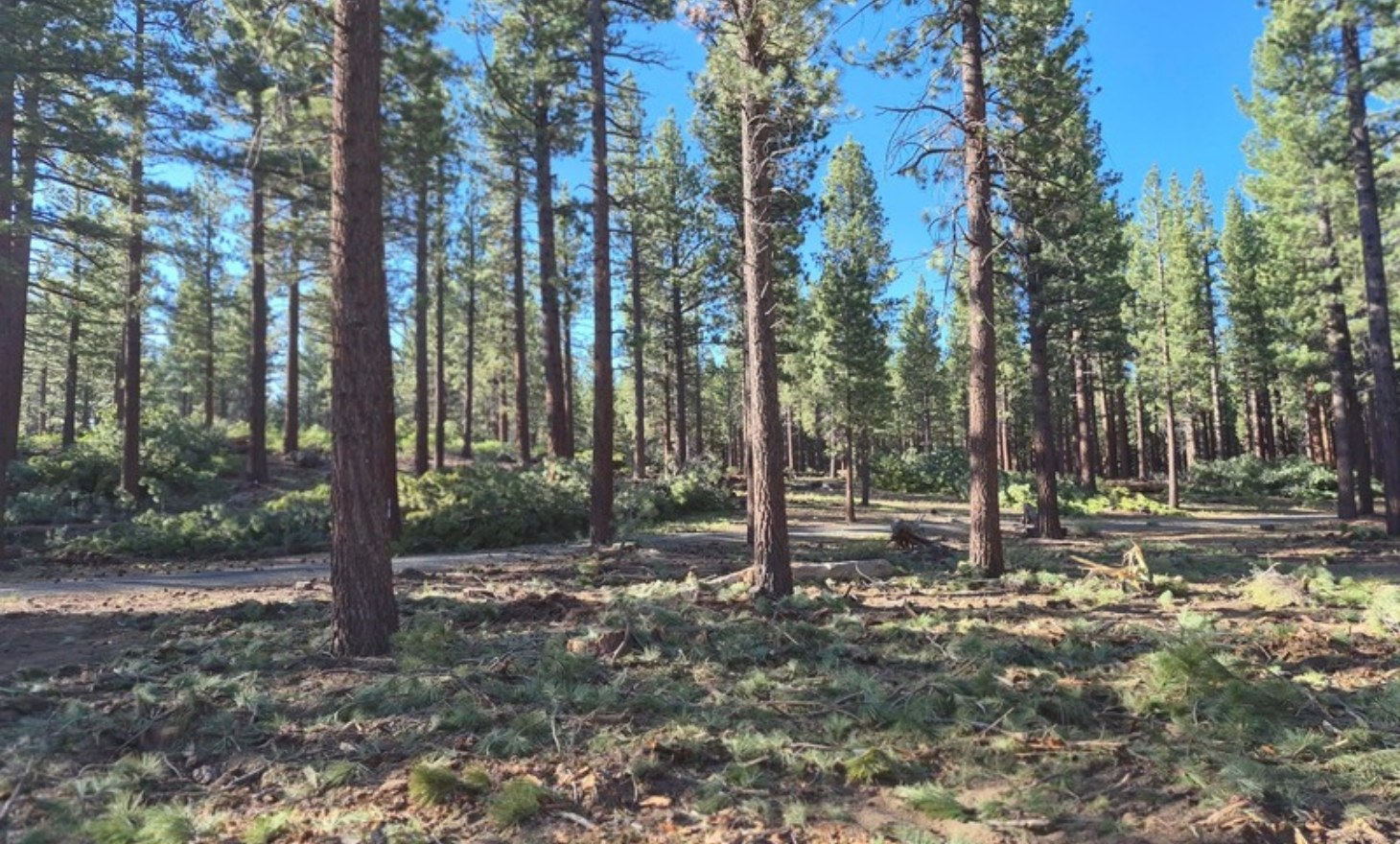
360° views and photos of forest conditions, plus before-and-after treatment.
View photos →Environmental analysis
The ESCCRP NEPA
A key part of the project is the ESCCRP NEPA: a 58,000-acre environmental analysis conducted by Whitebark Institute in partnership with the Inyo National Forest. It is the largest NEPA analysis ever conducted on the Inyo, made possible by a 2019 update to the Inyo’s Land Management Plan that called for a more holistic approach to fuels reduction and ecosystem restoration.
The remaining acres in the ESCCRP landscape are managed under existing NEPA decisions, such as the Reds Meadow and Three Creeks projects. Together, they form one landscape-level strategy.

Timeline
From first meetings to implementation
A project of this scale takes years of planning and collaboration, from initial partner meetings and first funding to in-depth environmental analysis and project planning.

Interactive map
Priority acres across the landscape
View the full project boundary and the zones analyzed under the ESCCRP NEPA and related decisions. Priority acres are color-coded from highest (red) to lowest (dark green) treatment urgency. Best viewed on a computer.
Project goals
What the ESCCRP sets out to do
01
Reduce vulnerability in Mammoth Lakes
Increase the pace and scale of treatments in and around town to lower fire risk to the community and its assets.
02
Allow safe, effective fire management
Create conditions for safe fire suppression, managed wildland fire and prescribed fire.
03
Promote community fire resilience
Manage fire within its natural range, reducing threats to people and infrastructure.
04
Restore ecosystem health
Return forest structure and composition to their natural range, supporting diverse plants and wildlife.
05
Use the best available science
Ground restoration in science, including traditional ecological knowledge, and adapt as we learn.
06
Create a fire-conscious community
Build public understanding of fire’s role and the need for proactive forest management.
07
Cultivate lasting partnerships
Bring together federal, state, local and tribal governments, nonprofits and private partners.
08
Build local capacity
Invest in workforce, technology and biomass solutions that support a sustainable wood products market.
Partners & funding
A collaborative effort
The ESCCRP brings together federal agencies like the U.S. Forest Service, state agencies, nonprofits, tribal partners and community organizations, pooling expertise and resources toward shared goals of resilience and restoration.
Initial funding for the planning process came from the California Department of Fish and Wildlife through the Eastern Sierra Council of Governments. Additional support has come from the National Fish and Wildlife Foundation, CAL FIRE, the Sierra Nevada Conservancy and the Los Angeles Department of Water and Power.



Foundational needs
What it takes to sustain the work
Workforce capacity
Forest restoration requires a robust, skilled workforce, which can be hard to attract in rural areas. Training programs, partnerships with experts and workforce development initiatives are helping ensure the skilled labor needed to meet project goals.
Sustainable funding
Restoration depends on long-term financial support. Diversified funding sources, new partners and multi-year grants are helping build a more sustainable funding base beyond short-term grant cycles.
Biomass solutions
Using the material removed from the forest is critical to reducing wildfire risk. Ongoing research, collaboration with industry partners and investment in new technologies are paving the way for scalable, economically viable biomass solutions.